ServicesBattery Storage
Battery Storage in Bountiful
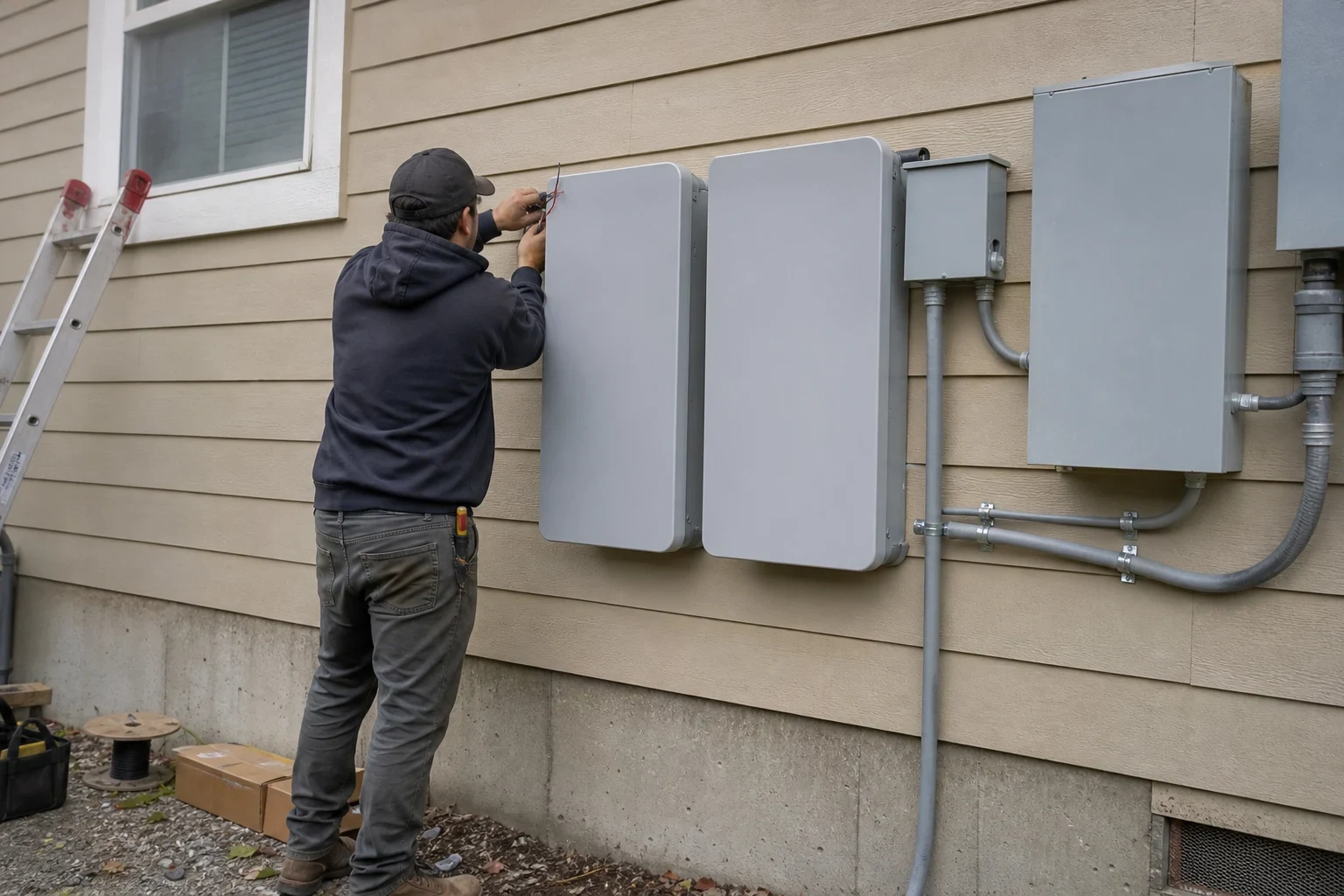
A home battery saves the extra energy your solar produces during the day, then gives it back after dark or when the grid fails. We match the battery to how your home uses power, mount it somewhere sheltered, and take care of permits and utility approval.
Why Homeowners Add a Battery
Your panels hit peak output around midday, often while nobody is home. Without storage, that surplus flows out to the grid, and the credit for it is typically lower than what you pay for power at dinnertime. A battery keeps that energy on your side of the meter so the lights, furnace fan and fridge can run on your own solar in the evening.
It also covers you when the grid goes down. If a winter storm or canyon wind cuts power, the battery takes over automatically and keeps your selected circuits going. There is nothing to fuel, nothing roaring in the driveway and no cord to yank in freezing weather.
We prefer to install ahead of the months that put batteries to work. Starting the conversation in late summer or early fall gives time for permits, installation and a full charge before the first snowfall.
Everything Your Battery Install Covers
Usage review and right-sizing
We go over a year of your power bills and talk through what you most want running when the lights go out. From there we pick a capacity that fits, so you are not buying storage that sits unused.
Choosing your backup circuits
For most families, the essentials are enough: furnace, refrigerator, internet, some lights and outlets. If you would like more rooms covered, we explain what extra equipment that involves.
Placement that suits the cold
Lithium batteries charge within a specific temperature window. We mount the unit in the garage or on a sheltered wall, respect the manufacturer's clearances and avoid low spots where snow piles up or water collects.
Permit, inspection and utility sign-off
We take care of the electrical permit, line up the inspection and file the interconnection forms with your utility. You add your signature where it is required, and we handle everything else.
App setup and a hands-on lesson
On the last day we load the monitoring app onto your phone and go through it together. You will know how to see your charge level, adjust backup settings and track what your home is drawing.
When a Home Battery Is Worth It
Power outages have hit you more than once
If a storm or windstorm has already left you with a chilly house and a thawing freezer, it is time to look seriously at backup power.
Much of your solar leaves the house
Look for exported energy on your utility bill. When a big share of your midday output goes out at a lower credit, storing it gets more value from panels you already paid for.
You use the most power after dark
Dinner, laundry, an electric car plugged in overnight. If your heaviest use comes in the evening, a battery lets your own solar carry more of that load.
Solar is already on your list
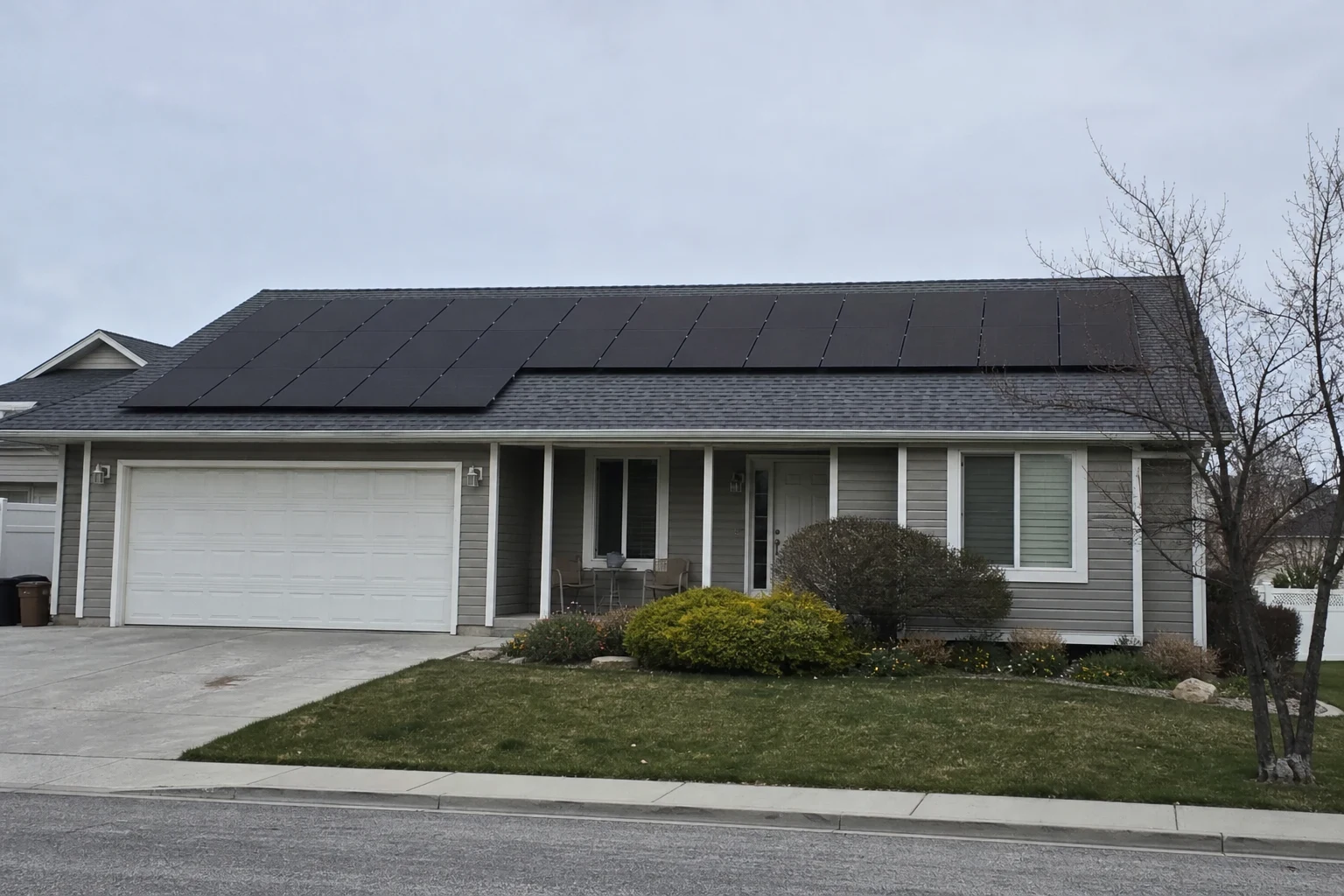
Pairing storage with solar panel installation keeps it to a single design, one round of permits and one install timeline.
Steady power matters to someone at home
A home office, a sump pump or equipment a family member counts on can turn backup from a nice extra into a real need.
Your Battery Project, Step by Step
- 1
Start with a free savings analysis
It begins with a phone call. You share a bit about your home, your bills and the outages that worry you, and we walk you through what a battery could save and keep running.
- 2
Site visit and written plan
We check your electrical panel, any solar equipment already in place and where the battery should live. You then get a written plan listing each component and every circuit it will cover.
- 3
Paperwork and your install date
We take care of the permit and utility applications ourselves and call you to settle on an install day that suits your schedule. Getting you set up before winter is part of the plan from day one.
- 4
Installation day
Most battery jobs wrap up in about a day. We mount the battery, run conduit, wire the backup panel and test the automatic switchover, working outside and in the garage whenever possible. Power is off only briefly while we tie into your panel.
- 5
Final inspection and activation
Once the inspector and the utility give their approval, we switch the battery on. We check that it charges and backs up the way it should, and answer any app questions you still have.
What Moves the Price of Home Battery Storage
Most of the price comes down to two choices: how many hours of stored power you want, and how much of your home should stay on when the grid drops. Before any work starts, you get a written quote that lists every component, so you can see exactly what you are paying for. Options with $0 up front are available.
- How much you want to store
- In most homes, one battery covers the essentials. Adding units gives you more backup hours or the muscle for heavy loads like central air.
- Essentials or the whole house
- Backing up a few key circuits is the simpler, less costly setup. Keeping every room powered can call for a larger inverter and more equipment.
- Room and age in your breaker box
- If your main panel has no open slots or was installed decades ago, it may need to be replaced or paired with a separate backup subpanel. We check it during the site visit and give you a plain answer about whether any work is needed.
- The solar you already have
- Planning a battery together with new panels is usually the most direct route. Some older systems need added hardware before the battery and panels can work together.
- Where the battery goes
- A spot close to your main panel keeps conduit runs and labor short. Mounting it across the garage means more wire and more time.
Common Questions About Home Batteries
Something not covered here? (801) 877-7243
How many hours of backup will I get in an outage?
That comes down to the battery size and the circuits you choose to keep on. A single battery running the furnace fan, refrigerator, some lights and the Wi-Fi often lasts overnight. When the sun comes back, your panels refill it. We work out a realistic estimate for your home during the free savings analysis.
My home already has solar. Can a battery be added to it?
Usually it can. We look at your inverter and how your panels are wired to see how storage would tie in. Some setups connect directly and others need one more piece of equipment, and we tell you which one you have before you commit.
How does a battery hold up in cold weather?
Placed in the right spot, it does fine. Lithium units manage their own temperature, and we put them in a garage or sheltered location within the maker's range. Winter days are short, so we account for lower solar charging when we size the system.
What upkeep does a battery need?
Almost none. You have no fuel to buy and no engine to service. The app shows charge level and battery health, and the system runs itself from day to day.
Who handles the electrical work on my battery?
Our own crew does the wiring and connection. We are licensed in all states served, and every installation is permitted and inspected before the battery goes into service.
Get Your Backup in Place Before the Next Storm
Tell us about your home and what you want to keep running. We will show you the battery size that fits, what it could save you and how soon it can be ready.